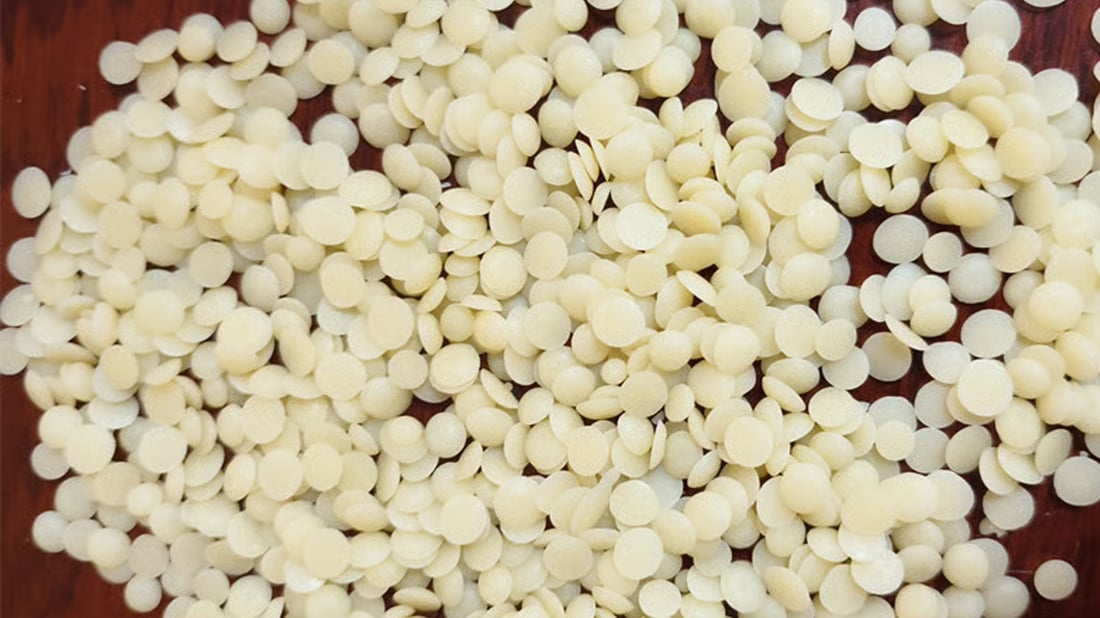
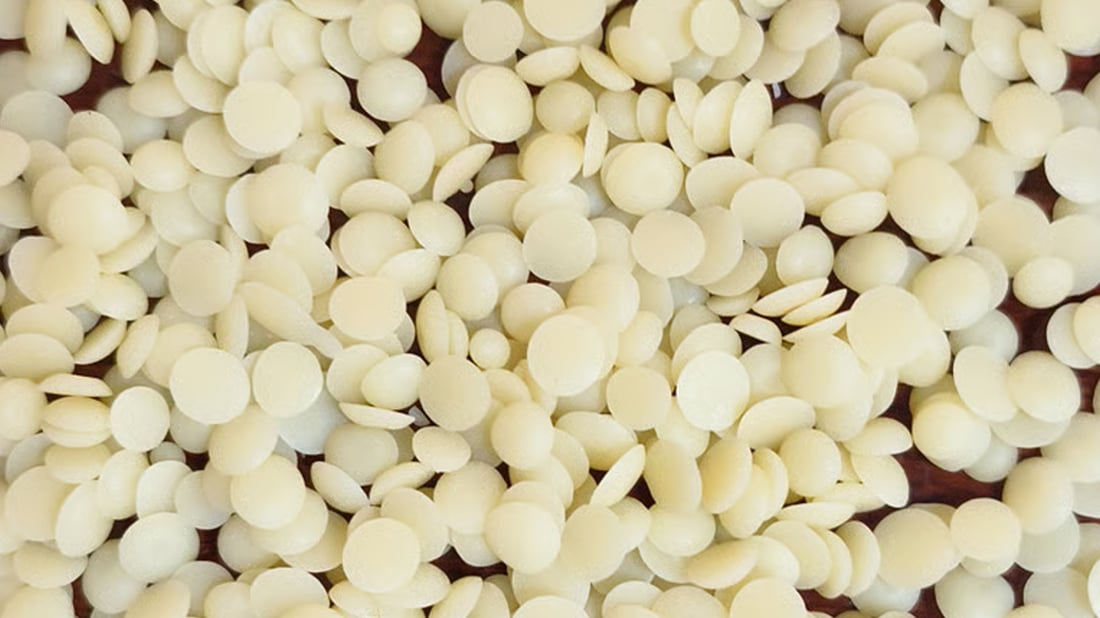
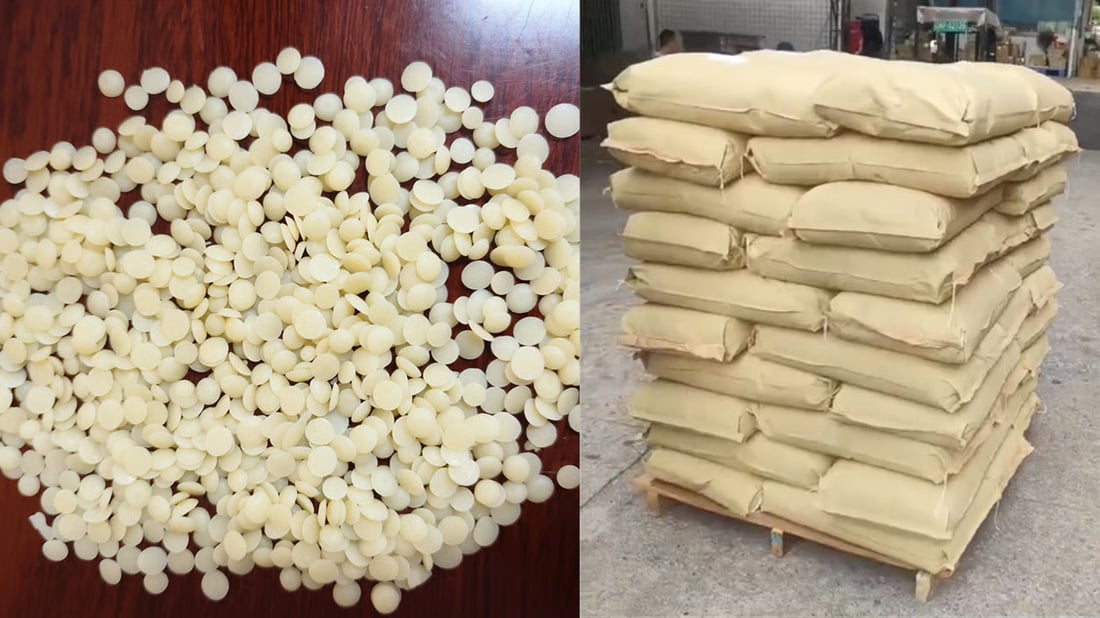
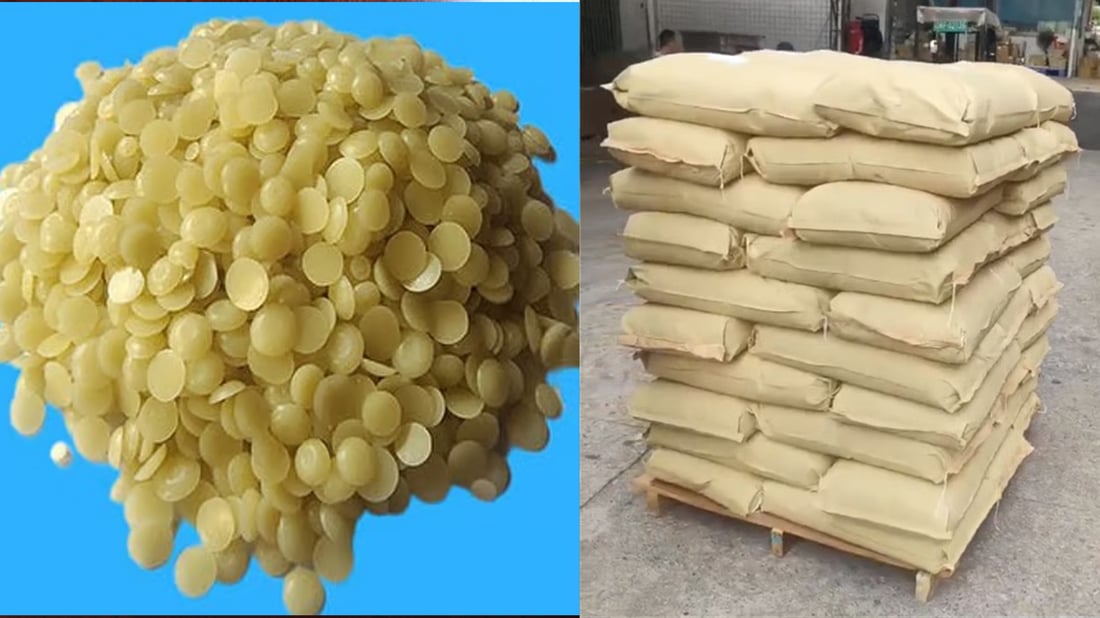
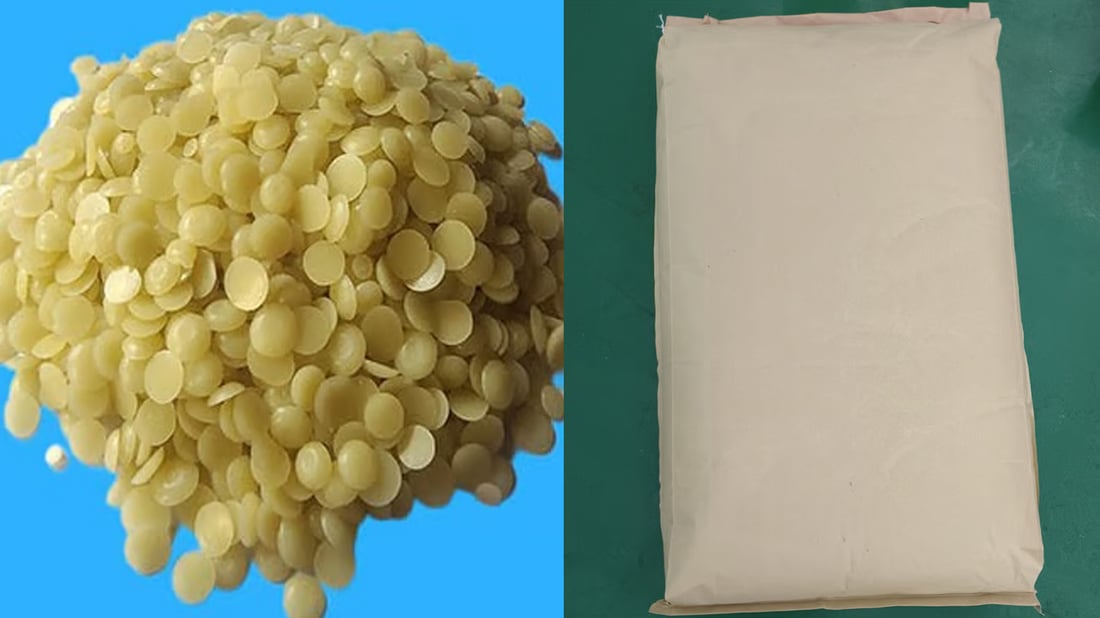
The Benefits of Using Sumac Wax for Ointment Base

Discover the numerous benefits of incorporating sumac wax into your ointment bases for healthier, more radiant skin.
READ MORE

The Potential of Sumac Wax in Sustained Release Systems

Introduction to Sumac Wax Sumac wax is a natural product obtained from the leaves and fruits of the sumac plant. It has a unique composition that includes fatty acids, esters, and hydrocarbons, making it a valuable material for various applications in the pharmaceutical and cosmetic industries. Sustained Release Systems Overview Sustained release systems are designed to deliver a controlled amount of a drug or active ingredient over an extended period. This technology aims to improve patient compliance and reduce side effects by maintaining drug concentrations within a therapeutic range for longer durations. Benefits of Using Sumac Wax The use of sumac wax in sustained release systems offers several benefits. Its natural origin makes it biocompatible and safe for use in pharmaceutical formulations. Additionally, its unique chemical composition allows for the customization of drug release profiles to meet specific therapeutic needs. Enhancing Drug Stability Sumac wax has been shown to improve the stability of drugs by protecting them from degradation caused by environmental factors such as light, heat, and moisture. This can lead to increased shelf life and efficacy of pharmaceutical products. Controlled Release Mechanisms The controlled release mechanisms of sumac wax in sustained release systems can be tailored to achieve different release profiles, including zero-order, first-order, and pulsatile release. This versatility allows for the optimization of drug delivery for various therapeutic applications. Formulation Techniques Formulation techniques such as hot-melt extrusion, solvent evaporation, and compression molding can be used to incorporate sumac wax into sustained release systems. These methods enable the development of dosage forms with enhanced stability and bioavailability. Applications in Transdermal Patches Sumac wax has shown promise in the development of transdermal patches for controlled drug delivery. Its ability to modulate drug release rates and permeation through the skin makes it an ideal candidate for transdermal formulations. Future Research and Innovations Researchers are exploring new ways to utilize sumac wax in sustained release systems, such as in the development of implantable devices and mucoadhesive dosage forms. These innovations have the potential to revolutionize drug delivery and improve patient outcomes. Regulatory Considerations The regulatory landscape for incorporating sumac wax in sustained release systems is evolving, with a focus on ensuring product safety and efficacy. Manufacturers must adhere to strict guidelines and conduct comprehensive studies to demonstrate the quality and performance of their formulations. Conclusion In conclusion, sumac wax offers a promising avenue for the development of sustained release systems in the pharmaceutical industry. Its unique properties, customizable release mechanisms, and diverse applications make it a valuable ingredient for enhancing drug delivery and patient care. Quote Inquiry contact us
READ MORE

The Benefits of Using Sumac Wax for Suppositories

Discover the numerous advantages of using sumac wax for suppositories, including anti-inflammatory, antibacterial, and soothing properties for natural relief.
READ MORE

The Benefits of Sumac Wax in Medical Skincare

Discover the various benefits of using sumac wax in medical skincare. From antibacterial properties to anti-aging benefits, sumac wax is a valuable ingredient for healthy skin.
READ MORE

The Benefits of Sumac Wax as Herbal Excipient

What is Sumac Wax? Sumac wax is a natural wax derived from the berries of the sumac tree. It is known for its high content of beneficial compounds such as flavonoids, tannins, and antioxidants. Sumac wax has been used for centuries in traditional medicine for its therapeutic properties. Herbal Excipient in Pharmaceuticals An excipient is a substance that is added to a medication to facilitate the administration or enhance the stability, bioavailability, or solubility of the active pharmaceutical ingredient. Sumac wax is gaining popularity as a herbal excipient in pharmaceutical formulations due to its natural and therapeutic properties. Advantages of Sumac Wax as Excipient Sumac wax offers several advantages as a herbal excipient. It is biodegradable, non-toxic, and environmentally friendly. It also has antimicrobial, anti-inflammatory, and antioxidant properties that can enhance the therapeutic effects of medications. Enhancing Drug Delivery Systems Sumac wax can be used to enhance drug delivery systems by improving the solubility and stability of active ingredients. It can also help increase the bioavailability of drugs, ensuring that patients receive the full therapeutic benefits of medications. Formulation in Herbal Medicine In herbal medicine, sumac wax is used as a formulation aid to improve the efficacy of herbal remedies. It can help enhance the absorption of herbal compounds in the body and increase their effectiveness in treating various health conditions. Sumac Wax in Topical Preparations Sumac wax is commonly used in topical preparations such as ointments, creams, and lotions. Its emollient properties make it an ideal ingredient for skincare products, helping to moisturize and protect the skin while delivering the therapeutic benefits of herbal extracts. Stability and Shelf Life Sumac wax can improve the stability and shelf life of pharmaceutical and herbal products. Its antioxidant properties help prevent degradation of active ingredients, ensuring that medications retain their potency and efficacy over time. Compatibility with Active Ingredients Sumac wax is compatible with a wide range of active pharmaceutical and herbal ingredients. It can be easily incorporated into formulations without affecting the chemical stability or bioactivity of the active compounds, making it a versatile excipient in pharmaceutical and herbal preparations. Regulatory Approval and Safety Sumac wax is generally recognized as safe for use in pharmaceutical and herbal products. It has received regulatory approval in many countries and is considered a safe and effective excipient for enhancing the therapeutic properties of medications. Future Applications and Research Research into the potential applications of sumac wax as a herbal excipient is ongoing. Future studies may uncover additional benefits and uses for this natural ingredient in pharmaceutical, herbal, and cosmetic formulations, further expanding its potential in modern medicine. Quote Inquiry contact us
READ MORE

Sumac Wax vs Beeswax in Pharmaceuticals: A Comparative Analysis

The Role of Sumac Wax and Beeswax in Pharmaceuticals Sumac wax and beeswax are both natural waxes with unique properties that make them valuable in the pharmaceutical industry. While both waxes are commonly used as excipients in drug formulations, they differ in their chemical compositions and physical properties. Chemical Composition of Sumac Wax vs Beeswax Sumac wax is primarily composed of esters of C16 and C18 fatty acids, while beeswax is composed of a mixture of esters of fatty acids and long-chain alcohols. This difference in chemical composition can impact the solubility and stability of active pharmaceutical ingredients in formulations. Physical Properties of Sumac Wax vs Beeswax Sumac wax has a higher melting point and is more brittle compared to beeswax, which has a lower melting point and is softer. The physical properties of the waxes play a role in the release and bioavailability of drugs in pharmaceutical formulations. Compatibility with Active Pharmaceutical Ingredients The choice between sumac wax and beeswax in pharmaceutical formulations depends on the compatibility of the wax with the active pharmaceutical ingredients. Sumac wax may be more suitable for certain APIs due to its chemical composition, while beeswax may be preferred for others. Sustainability and Sourcing of Sumac Wax and Beeswax Sumac wax is derived from the fruit of the sumac plant, which is a sustainable and environmentally friendly source. Beeswax, on the other hand, is produced by honeybees and may raise concerns about sustainability and ethical sourcing practices. Regulatory Considerations for Sumac Wax and Beeswax in Pharmaceuticals Both sumac wax and beeswax are considered safe for use in pharmaceutical formulations by regulatory agencies such as the FDA. However, it is essential for pharmaceutical companies to ensure that the waxes meet quality and purity standards. Cost-Effectiveness of sumac wax vs beeswax in pharmaceuticals The cost of sumac wax and beeswax can vary depending on factors such as sourcing, processing, and availability. Pharmaceutical companies may need to consider the cost-effectiveness of using sumac wax compared to beeswax in their formulations. Physical Stability of Formulations Using Sumac Wax and Beeswax Sumac wax and beeswax can influence the physical stability of pharmaceutical formulations, such as creams, ointments, and suppositories. Understanding the impact of the waxes on the stability of a formulation is crucial for ensuring product quality. Compatibility with Different Dosage Forms Sumac wax and beeswax can be used in a variety of dosage forms, including solid oral dosage forms, topical preparations, and sustained-release formulations. The choice between the waxes may depend on the specific requirements of the dosage form. Future Applications and Research Opportunities As the pharmaceutical industry continues to evolve, there may be opportunities to explore new applications of sumac wax and beeswax in drug delivery systems. Research into the potential benefits and limitations of these natural waxes can help expand their use in pharmaceuticals. Quote Inquiry contact us
READ MORE
The Benefits of Using Sumac Wax for Medical Coatings

The Origins of Sumac Wax Sumac wax is a natural substance that is extracted from the fruit of the sumac tree. It has been used for centuries in traditional medicine and is now being studied for its potential medical applications. Antibacterial Properties One of the most promising aspects of sumac wax is its antibacterial properties. Studies have shown that it can inhibit the growth of various bacteria, making it a valuable ingredient for medical coatings. Anti-inflammatory Effects In addition to its antibacterial properties, sumac wax also has anti-inflammatory effects. This makes it an ideal component for medical coatings used on wounds or inflammatory skin conditions. Biocompatibility Sumac wax is derived from natural sources, making it biocompatible with the human body. This means that it is less likely to cause allergic reactions or other adverse effects when used as a medical coating. Wound Healing Research has suggested that sumac wax may also have wound healing properties. When used in medical coatings, it could potentially help promote faster healing and reduce the risk of infection. UV Protection Another benefit of sumac wax is its potential for providing UV protection. Medical coatings that contain sumac wax could help protect the skin from harmful UV rays, reducing the risk of sun damage. Moisture Barrier Sumac wax has natural emollient properties, making it an effective moisture barrier. Medical coatings that incorporate sumac wax can help keep the skin hydrated and protected from external irritants. Biodegradability Sumac wax is a natural and biodegradable substance, making it a sustainable choice for medical coatings. This is important for reducing the environmental impact of medical products. Regulatory Approval While more research is needed to fully understand the benefits of sumac wax for medical coatings, it is already being used in some products. Regulatory approval for its use in medical applications could lead to more widespread use in the future. Future Applications As scientists continue to explore the potential of sumac wax, we may see a wider range of medical coatings that utilize this natural ingredient. Its antibacterial, anti-inflammatory, and biocompatible properties make it a promising candidate for various medical applications. Quote Inquiry contact us
READ MORE
The Benefits of Nano Calcium Carbonate in Various Industries

Discover the versatile applications of nano calcium carbonate in industries such as polymers, paints, coatings, and pharmaceuticals.
READ MORE

The Wonders of Nano CaCO3: A Comprehensive Guide

Explore the benefits and applications of nano CaCO3 in various industries. Learn about its environmental impact and future outlook.
READ MORE

The Wonders of Nano Calcite: A Comprehensive Guide

Explore the formation, properties, and applications of nano calcite in various industries. Learn about the environmental benefits and future prospects of this versatile mineral.
READ MORE