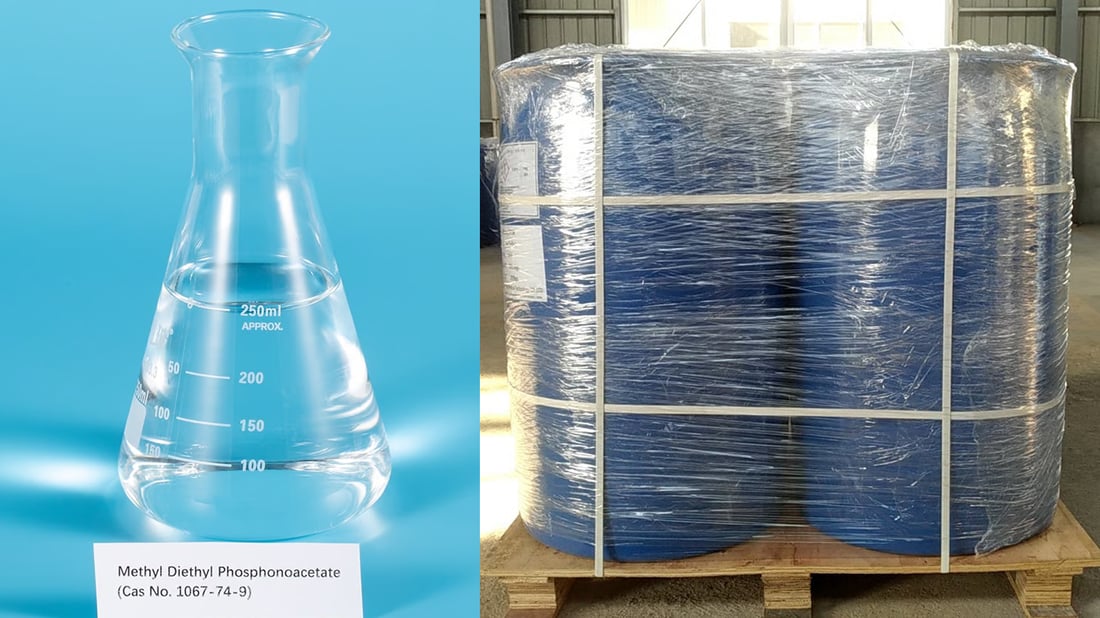
The Importance of Cas 1067-74-9 Spectroscopic Characterization Data

Learn how spectroscopic data analysis of Cas 1067-74-9 drives innovation and quality control in various industries.
READ MORE

The Ultimate Guide to Industrial Scale Production Process Optimization

Learn about the benefits, challenges, technologies, and best practices of industrial scale production process optimization. Stay competitive and achieve sustainable growth!
READ MORE

The Importance of Phosphonoacetate Intermediates Reactivity Comparison Study

Learn about the significance of conducting reactivity comparison studies on phosphonoacetate intermediates and their impact on chemical synthesis and drug discovery.
READ MORE

The Importance of Chemical Synthesis of Pharmaceutical Intermediates

Learn about the significance of chemical synthesis in pharmaceutical intermediates and its impact on drug development. Understand the role of quality control, green chemistry, catalysts, and future prospects in synthesis.
READ MORE

The Crucial Role of Intermediates in Drug Development

When it comes to the development of pharmaceutical drugs, intermediates play a crucial role in the entire process. These intermediate compounds are key building blocks that are used to synthesize the final active pharmaceutical ingredient (API). In this article, we will explore the significant impact intermediates have on drug development. Optimizing Chemical Routes for Efficient Synthesis Intermediates help in optimizing chemical routes for the synthesis of APIs, making the overall process more efficient. By strategically choosing the right intermediates, chemists can simplify complex reactions and reduce the number of steps involved in the synthesis, leading to cost-effective manufacturing processes. Ensuring Purity and Quality of the Final Product The quality of intermediates directly affects the purity and quality of the final drug product. Using high-quality intermediates in the synthesis process ensures that the final API meets stringent regulatory standards and delivers the desired therapeutic effects to patients. Facilitating Scale-Up Production Intermediates play a critical role in facilitating the scale-up production of drugs. By using intermediates that are easily scalable, pharmaceutical companies can transition from laboratory-scale synthesis to commercial-scale manufacturing without compromising the efficiency and quality of the final product. Minimizing Environmental Impact Efficient intermediates help in minimizing the environmental impact of drug manufacturing processes. By reducing the number of synthetic steps and optimizing reaction conditions, pharmaceutical companies can lower waste generation and energy consumption, leading to more sustainable production practices. Enhancing Drug Delivery and Bioavailability Intermediates also play a crucial role in enhancing drug delivery and bioavailability. By fine-tuning the chemical structure of intermediates, scientists can improve the solubility, stability, and absorption of the final drug product, ensuring optimal therapeutic outcomes for patients. Facilitating Structure-Activity Relationship Studies Intermediates serve as valuable tools in understanding the structure-activity relationships of drugs. By synthesizing a variety of intermediates with slight chemical modifications, researchers can identify key structural features that influence the pharmacological properties of the final drug compound. Accelerating Drug Development Timelines The strategic use of intermediates can accelerate drug development timelines significantly. By streamlining the synthesis process and minimizing synthetic bottlenecks, pharmaceutical companies can expedite the transition from initial drug discovery to clinical trials, bringing innovative therapies to market faster. Optimizing Cost-Efficiency in Drug Manufacturing Intermediates play a vital role in optimizing cost-efficiency in drug manufacturing. By selecting cost-effective intermediates and designing efficient synthetic routes, pharmaceutical companies can reduce production costs, making essential medications more accessible and affordable for patients. Enabling Patent Protection and Market Exclusivity The use of unique intermediates in the synthesis process enables pharmaceutical companies to obtain patent protection and market exclusivity for their novel drug products. By developing proprietary intermediates and synthetic pathways, companies can safeguard their intellectual property rights and gain a competitive advantage in the market. Driving Innovation in Drug Discovery Intermediates play a pivotal role in driving innovation in drug discovery. By exploring novel chemical structures and innovative synthetic approaches, researchers can uncover new drug candidates with unique therapeutic properties, ultimately expanding the repertoire of treatment options available to patients. Quote Inquiry contact us
READ MORE

The Role of Amino Acid Derivatives in Drug Synthesis

Introduction to Amino Acid Derivatives Amino acid derivatives are key components in the field of drug synthesis. These compounds are organic molecules that are derived from amino acids, the building blocks of proteins. Amino acid derivatives play a crucial role in the design and development of pharmaceuticals. Synthesis of Amino Acid Derivatives Amino acid derivatives can be synthesized through various chemical reactions. One common method is through the modification of the side chains of amino acids. This process involves the addition of different functional groups to the amino acid structure, resulting in a wide range of derivatives with unique properties. Structural Diversity of Amino Acid Derivatives The diverse structural characteristics of amino acid derivatives make them versatile building blocks in drug synthesis. These compounds can be modified to introduce specific functionalities that are essential for targeting certain biological pathways or interactions within the body. Role of Amino Acid Derivatives in Drug Design Amino acid derivatives are used in drug design to create molecules that exhibit specific pharmacological properties. By incorporating amino acid derivatives into drug structures, researchers can tailor the properties of the drugs to enhance efficacy and reduce side effects. Biological Activity of Amino Acid Derivatives Many amino acid derivatives exhibit potent biological activity, making them valuable components in drug synthesis. These compounds can interact with various molecular targets in the body, leading to therapeutic effects that are crucial for treating a wide range of medical conditions. Applications of Amino Acid Derivatives in Medicine Amino acid derivatives are utilized in the development of pharmaceuticals for the treatment of diverse diseases, including cancer, infectious diseases, and neurological disorders. Their unique properties make them valuable assets in the field of medicine. Advantages of Using amino acid derivatives in drug synthesis The use of amino acid derivatives in drug synthesis offers several advantages, such as improved bioavailability, reduced toxicity, and enhanced selectivity. These benefits contribute to the development of safer and more effective medications for patients. Challenges in Amino Acid Derivative Synthesis Despite their numerous benefits, the synthesis of amino acid derivatives can present challenges due to the complexity of the chemical reactions involved. Researchers must overcome obstacles related to stereoselectivity, regioselectivity, and overall yield to successfully produce these compounds. Future Directions in Amino Acid Derivative Research The field of amino acid derivative research is continually evolving, with ongoing efforts to explore new synthetic strategies and applications in drug synthesis. By harnessing the potential of amino acid derivatives, researchers aim to develop innovative pharmaceuticals with enhanced therapeutic outcomes. Conclusion In conclusion, amino acid derivatives play a critical role in drug synthesis, offering unique opportunities for the design and development of pharmaceuticals with improved efficacy and safety profiles. The structural diversity, biological activity, and applications of amino acid derivatives make them indispensable components in the field of medicine. Quote Inquiry contact us
READ MORE

The Importance of Custom Synthesis of Pharmaceutical Intermediates

Custom synthesis of pharmaceutical intermediates is crucial for drug development, offering flexibility, efficiency, and quality control. Learn more about its benefits.
READ MORE

The Importance of Quality Control in Pharmaceutical Intermediates

Learn why quality control is essential in ensuring the safety and efficacy of pharmaceutical intermediates. Explore regulatory compliance, testing methods, and more.
READ MORE

The Importance of Regulatory Standards for Pharmaceutical Intermediates

Learn about the importance of regulatory standards for pharmaceutical intermediates and how they ensure quality and safety in the pharmaceutical industry.
READ MORE

Exploring the Applications of Pharmaceutical Intermediates in Drug Formulation

Understanding Pharmaceutical Intermediates Pharmaceutical intermediates are key building blocks in the process of drug formulation. These compounds are used during the synthesis of active pharmaceutical ingredients (APIs) and play a crucial role in creating the final drug product. Role of Pharmaceutical Intermediates in Drug Development Pharmaceutical intermediates serve as the backbone of drug development by providing a scaffold for the synthesis of complex molecules. They help in enhancing the potency, stability, and bioavailability of the drug formulation. Enhancing Drug Solubility and Bioavailability Pharmaceutical intermediates can be tailored to improve the solubility of poorly soluble drugs, making them more bioavailable in the body. This is achieved through the modification of chemical properties that enhance drug dissolution. Optimizing Drug Stability Pharmaceutical intermediates play a vital role in stabilizing drug formulations by preventing degradation and ensuring long-term efficacy. They help in maintaining the structural integrity of the drug molecule during storage and transportation. Incorporating Novel Drug Delivery Systems Pharmaceutical intermediates are instrumental in the development of novel drug delivery systems such as nanoparticles, liposomes, and microparticles. These advanced formulations improve drug targeting and release kinetics. Customizing Drug Formulations for Specific Applications Pharmaceutical intermediates allow for the customization of drug formulations based on specific therapeutic requirements. This flexibility enables the development of tailored solutions for different patient populations. Accelerating Drug Development Process By utilizing pharmaceutical intermediates, drug developers can streamline the drug development process and reduce time-to-market. These intermediates facilitate rapid prototyping and optimization of drug formulations. Ensuring Regulatory Compliance Pharmaceutical intermediates play a significant role in ensuring regulatory compliance by meeting stringent quality standards and requirements set by regulatory authorities. They help in guaranteeing the safety and efficacy of drug products. Supporting Sustainability in Drug Manufacturing Pharmaceutical intermediates contribute to sustainable drug manufacturing practices by minimizing waste generation and optimizing production processes. They promote eco-friendly approaches in the pharmaceutical industry. Driving Innovation in Drug Formulation The versatile applications of pharmaceutical intermediates continue to drive innovation in drug formulation, leading to the development of breakthrough therapies and treatment options for various medical conditions. Quote Inquiry contact us
READ MORE